The Importance Of Strength Training To Improve Body Composition & Reduce Body Fat
Strength training is one of the most effective ways to improve body composition and reduce body fat, yet it is often overlooked in favour of long cardio sessions or restrictive diets. While cardiovascular exercise has its place, resistance training helps build and maintain lean muscle, supports healthy fat loss and creates lasting changes that go beyond the number on the scales.
Improving body composition is about achieving a healthier balance between muscle and body fat, rather than simply losing weight. By increasing lean muscle and reducing excess body fat, you can improve strength, boost confidence and support your overall health and wellbeing.
Whether you’re just starting your fitness journey or looking to get more from your current training routine, understanding the role of strength training can help you make more informed decisions and achieve sustainable, long-term results.
Why Strength Training Matters More Than Many People Realise
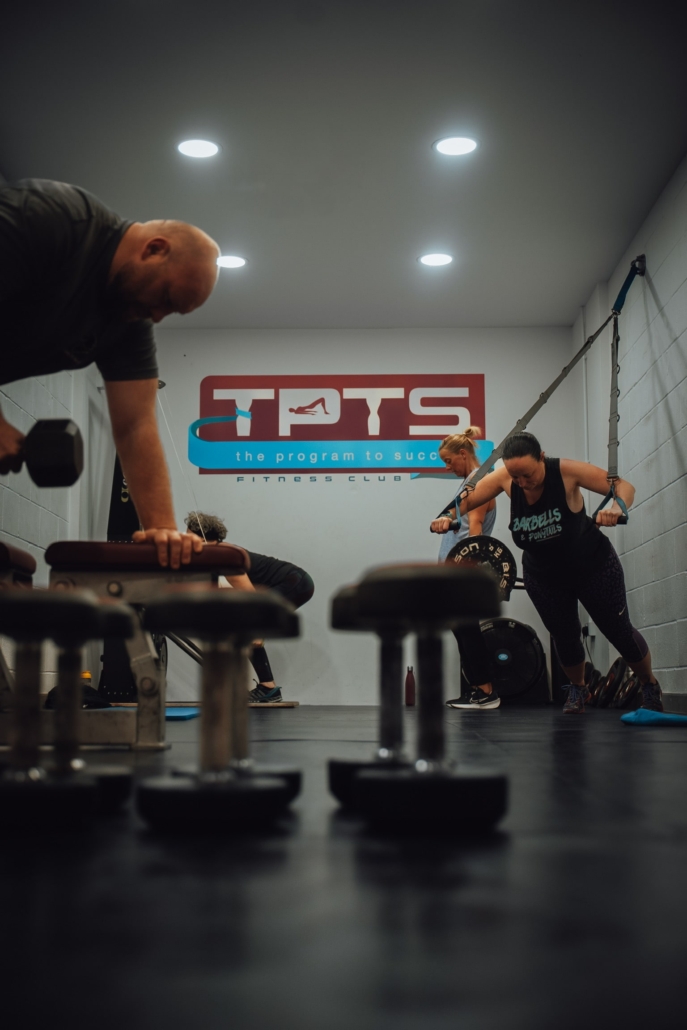
Strength training involves working your muscles against resistance using free weights, machines, resistance bands or your own body weight.
Unlike cardio, which primarily burns calories during exercise, resistance training helps your body continue using energy after your workout while supporting muscle growth and maintenance.
Building lean muscle can also help increase your resting metabolic rate, meaning your body requires more energy throughout the day to maintain that muscle tissue.
This makes strength training one of the most effective tools for improving body composition over time.

The Quick Answer For Anyone Wanting Better Body Composition
If you want to improve body composition and reduce body fat, strength training should form part of your weekly exercise routine.
Combined with a balanced diet, adequate recovery and regular physical activity, resistance training helps you:
- Build and maintain lean muscle.
- Support healthy fat loss.
- Improve strength and mobility.
- Increase confidence in everyday movement.
- Create sustainable long-term results rather than relying on short-term dieting.
While no single form of exercise is a magic solution, strength training provides benefits that go far beyond calorie burning.
How Strength Training Helps Reduce Body Fat
Many people assume lifting weights is only for bodybuilders. In reality, resistance training is suitable for almost everyone and offers several benefits for those looking to lose body fat.
Preserves Lean Muscle
When losing weight, the goal should not simply be to lose kilograms. Without resistance training, some of the weight lost may come from muscle tissue.
Strength training helps preserve lean muscle while encouraging fat loss.
Supports A Higher Energy Requirement
Muscle requires energy to maintain. Increasing lean muscle mass can contribute to a higher daily calorie requirement compared to having less muscle.
Although this should not be exaggerated, it is one reason why resistance training supports long-term weight management.
Improves Everyday Function
Greater strength makes everyday activities easier, whether that’s carrying shopping, climbing stairs or playing with children.
Better movement often leads to greater confidence and encourages people to stay physically active.
Builds Long-Term Habits
Unlike quick-fix weight loss plans, strength training encourages progressive improvement over time.
Developing consistent training habits is often one of the biggest factors in achieving lasting results.
Body Weight Is Not The Full Picture
Many people become discouraged when the scales stop moving.
However, body weight alone does not tell the whole story.
As body fat decreases and lean muscle increases, your overall weight may stay similar while your body shape changes significantly.
This is why improvements in body composition often become noticeable through:
- Better-fitting clothes.
- Increased strength.
- Improved posture.
- Greater confidence.
- Visible muscle definition.
- Improved fitness levels.
Focusing only on weight can overlook the positive progress happening elsewhere.
Strength Training Works Best Alongside Other Healthy Habits
Although strength training is highly effective, it delivers the best results when combined with other healthy lifestyle habits.
These include:
- Eating a balanced diet that supports your goals.
- Prioritising sleep and recovery.
- Staying physically active throughout the week.
- Managing stress where possible.
- Remaining consistent rather than looking for quick fixes.
Some people also find activities such as yoga beneficial for improving flexibility, mobility and recovery alongside resistance training.
Common Mistakes That Can Slow Progress
Improving body composition takes time, and a few common mistakes can make progress slower than expected.
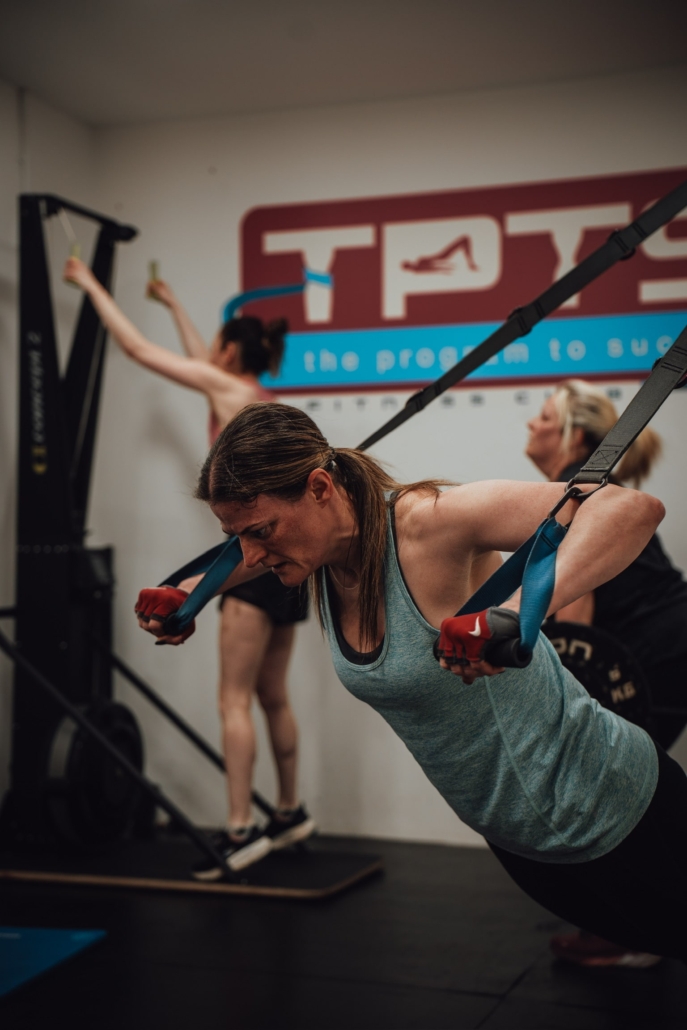
Cardio is valuable for heart health and calorie expenditure, but relying on it alone may limit improvements in muscle development.
Progressive overload, gradually increasing the challenge placed on your muscles, is an important part of building strength.
Constantly switching exercises makes it difficult to measure progress.
Following a structured programme allows your body to adapt over time.
Muscles develop during recovery, not just during exercise.
Adequate sleep, nutrition and rest days are all important parts of the process.

Getting Started With Strength Training
If you’re unsure where to begin, having professional guidance can help you learn correct technique and build confidence.
At TPTS Fitness Club, we offer a range of training options to suit different goals and experience levels, including fitness classes, personal training, weight loss programmes and semi-private training sessions.
Choosing the right programme can help you develop safe technique, stay accountable and make steady progress.
Frequently Asked Questions
Yes. Combined with a balanced diet and regular activity, strength training supports fat loss while helping preserve lean muscle.
No. Cardio and strength training complement each other and both provide important health benefits.
The right frequency depends on your experience, goals and recovery. A structured programme can help determine what is suitable for you.
Building significant muscle mass requires consistent training, nutrition and time. For most people, strength training simply helps develop a leaner, stronger physique.
Small Changes Can Lead To Long-Term Results
Improving body composition isn’t about finding the quickest solution. It’s about building sustainable habits that help you become stronger, healthier and more confident over time.
For more information on strength training and physical activity, you can also visit the NHS exercise guidance.